
Getting new HVAC equipment installed is not something most homeowners deal with every day. Whether it is a furnace, air conditioner, heat pump, water heater, or tankless system, it is normal to wonder what the day will look like.
Will the house be without heat or cooling all day? Do you need to stay home? Will the technicians need access to the basement, backyard, or electrical panel? Every home is a little different, but most installation days follow a similar process.
Before the installation team arrives, the biggest help is simply making sure they can get to the work area.
If the furnace room or water heater area has storage boxes, laundry baskets, tools, or other items around it, try to move them out of the way. The same goes for the electrical panel, thermostat area, and outdoor unit location.
For air conditioner or heat pump installations, the team may need access to the side of the house, backyard, or driveway. If there is a gate, please make sure it can be opened. If you have pets, it is best to keep them in a separate room. The doors may be opening and closing often, and technicians may be carrying heavy equipment in and out.
When the technicians arrive, they will usually take a look at the site before starting.
Even if the job was already quoted or checked before, the installation team still needs to confirm the details on the day of the work. They may look at the old equipment, venting, gas line, drain, electrical connection, thermostat wiring, ductwork, and outdoor unit location.
This does not mean something is wrong. It is just part of doing the job properly.
Sometimes old equipment hides small issues that are not obvious until the job starts. A tight corner, old piping, blocked drain, or unusual ductwork connection can affect how the new system is installed.
If this is a replacement job, the old unit will need to be disconnected and removed first.
This part can be a bit noisy. You may hear drilling, cutting, moving equipment, or technicians going in and out of the house.
The team may also need to protect the floor or carry equipment through the basement, garage, side entrance, or front door. Keeping the pathway clear helps a lot.
Homeowners usually do not need to do much during this part, but it is good to be available in case the technicians need to confirm something.
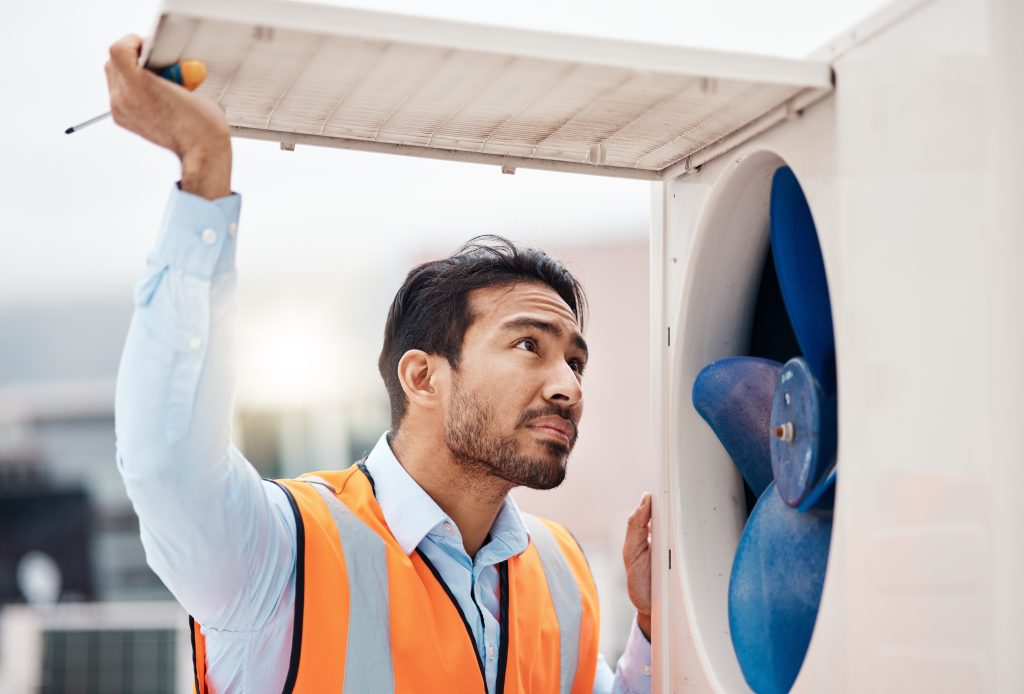
Once the old equipment is removed, the new system will be brought in and connected. This is where most of the time is spent.
Depending on the job, the technicians may be working on ductwork, gas piping, venting, electrical wiring, refrigerant lines, drain lines, water piping, thermostat wiring, or the outdoor unit.
Some installations are very straightforward. Others take longer because the new equipment does not line up exactly the same way as the old one. That is normal. HVAC equipment is not always a simple swap. A proper installation takes time because everything needs to be connected safely and tested before the system is used.
During the installation, the old system will be shut off and removed. That means the home may be without heating, cooling, or hot water for part of the day, depending on what is being installed. For most homeowners, this is expected. If the installation is happening during very hot or very cold weather, it is a good idea to plan ahead.
For example, keep rooms comfortable before the work starts, and avoid scheduling anything that requires constant heating, cooling, or hot water during the installation window.
After the system is installed, the technicians should test it before leaving. This may include checking the thermostat, airflow, heating or cooling operation, drain, venting, gas connection, refrigerant pressure, electrical connection, and safety controls.
This step is very important. The job is not really finished until the system has been started and checked. If something needs adjustment, it is better to catch it right away instead of after the team has already left.
Before the technicians leave, they may show you the basic operation of the new system. This can include where the filter is, how often it should be changed, how to use the thermostat, where the shutoff switch is, and what to watch for after installation.
This is a good time to ask simple questions. You do not need to know technical HVAC details, but it is helpful to understand the basics of your own system.
After a new system is installed, it may not feel exactly the same as the old one.
A new furnace may sound different. A new air conditioner or heat pump may run in a different pattern. A new thermostat may control the system differently. A heat pump may feel different from a traditional furnace during mild weather.
Some of this is normal.
However, you should contact the installation company if you notice water leaking, strong burning smell, loud unusual noise, no heating, no cooling, weak airflow, error codes, or the thermostat not responding.
It is always better to ask early if something does not seem right.
Many homeowners focus on the brand or model of the equipment, and that is understandable. But installation quality matters just as much. Even good equipment can have problems if it is not installed correctly.
A proper installation should be safe, clean, tested, and explained clearly to the homeowner. That is what helps the system run properly and keeps the home comfortable after the job is done.
HVAC installation day may feel like a big project, but it does not have to be stressful. Clear the work area, keep pets away from the job site, make sure the technicians have access, and be available for any questions during the day. The rest should be handled by the installation team.
If you are planning to replace your furnace, air conditioner, heat pump, water heater, or tankless system, iCare Home Comfort can help you understand the process and choose the right solution for your home.
GTA Leading provider of heating, cooling, and water heating and treatment needs for over 15 years.
Get 5% off when you sign up for emails with savings and tips.
© 2026 ICARE HOME COMFORT INC. Design by Tensor Canada | Privacy Policy | Terms and Conditions