
On a cold evening, your furnace is running, the windows are shut, and the thermostat shows a comfortable temperature. Yet the house feels a little stuffy. Dinner smells are still hanging around, and the bedroom feels less fresh by morning.
It is easy to assume that air coming from the vents must include fresh air from outside. In many homes, however, those vents mainly deliver indoor air that has been heated and circulated again.
So, with the windows closed, where does fresh air actually come from? The answer depends on how your home is built and how its ventilation system works.
A typical forced-air heating system draws indoor air through return ducts, passes it through a filter, heats it, and sends it back into the rooms.
That circulation helps distribute warmth. The filter also captures some airborne particles, depending on its type and condition. But circulation alone does not replace indoor air with outdoor air.
Some homes have an outdoor-air connection or a separate ventilation system working alongside the furnace. Others depend more heavily on exhaust fans and air leaking through gaps in the building.
This means that feeling warm air at a register does not tell you how much fresh air your home receives. Turning the thermostat’s fan setting to “On” does not, by itself, add an outdoor-air supply.
Everyday life adds moisture and pollutants to indoor air. Cooking, showering, cleaning, and having several people at home all affect the indoor environment.
During warmer weather, open windows may help exchange that air. Once winter arrives, windows often stay closed for weeks.
Air can still enter through small gaps around the building, but that movement varies with wind, temperature, and the home’s construction. It is not a consistent, controlled source of ventilation.
Homes that have become tighter after window replacement or air-sealing work may also need their ventilation reassessed. Keeping heat indoors is useful; the fresh-air supply needs attention too.
Lingering odours or a stuffy room can be reasons to investigate, although neither proves that ventilation is the only problem. Start by looking at the source of the issue as well as how air leaves and enters the home.
A heat recovery ventilator, usually called an HRV, provides a controlled way to exchange indoor and outdoor air.
It removes stale indoor air while bringing outdoor air into the home. Inside the unit, a heat-exchange core transfers some warmth from the outgoing air to the incoming air, with the two air streams travelling through separate passages.
In winter, this helps reduce the heat lost through ventilation compared with bringing in the same amount of outdoor air without heat recovery.
An HRV does not replace your furnace, and it does not eliminate the energy needed to warm incoming air. Its job is to provide ventilation while recovering some heat that would otherwise leave the house.
Depending on the installation, it may use dedicated ventilation ducts or work with parts of the home’s existing duct system. Correct installation and balanced airflow matter just as much as the equipment itself.
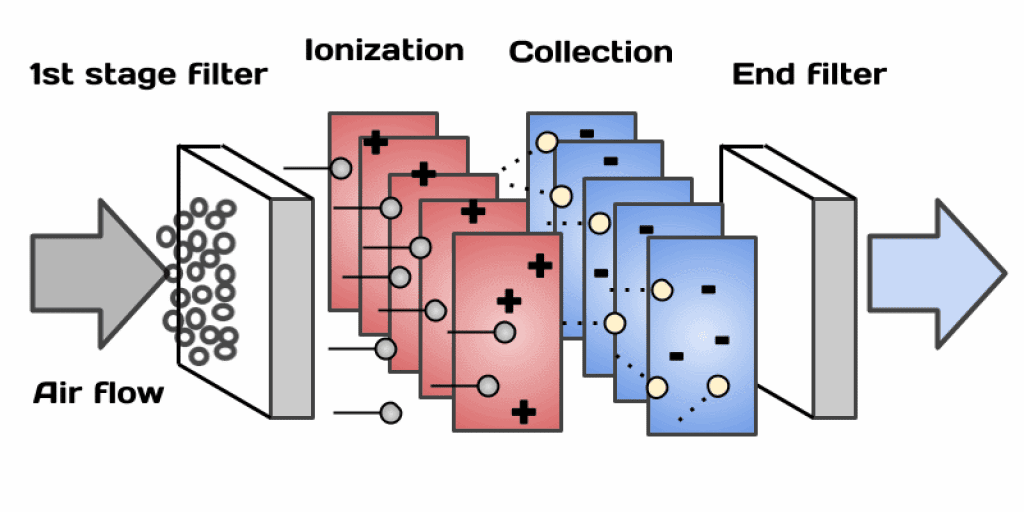
These products serve different purposes, which is why buying one does not automatically solve every indoor-air concern.
An energy recovery ventilator, or ERV, also exchanges air and transfers some moisture between the air streams. Whether an HRV or ERV is a better fit depends on the home, climate, and indoor moisture conditions.
Before choosing equipment, identify the problem you want to solve. Dust, lingering cooking smells, and dry air may call for different approaches.
If your home already has an HRV, take a look at its controller. Many homeowners inherit one when they move in without ever receiving an explanation of its settings.
Depending on the system, normal operation may involve continuous low-speed ventilation or an intermittent schedule. A boost setting can provide additional ventilation when needed, such as during showers or when more people are visiting.
Follow the equipment instructions and the settings recommended for your home. There is no single fan speed or humidity setting that suits every household throughout winter.
A few practical habits can help:
If increased ventilation makes the house excessively dry, have the settings reviewed instead of simply switching the system off for the season.
You do not need to diagnose the ventilation system yourself. A few observations can give a technician a useful starting point.
Note which rooms feel stuffy, when odours linger, and whether the problem changes after showers, cooking, or having guests over. If you have an HRV, record its model and current controller settings.
Mention recent changes to the home, too. New windows, a finished basement, or a change in occupancy may affect how the existing ventilation arrangement performs.
A professional assessment can establish what equipment is already installed, whether it is operating properly, and how outdoor air is being supplied and distributed. Sometimes the next step is maintenance or a control adjustment. Other homes may benefit from a different ventilation solution.
At ICare Home Comfort, we can help you understand your home’s ventilation setup and explore suitable HRV and indoor-air-quality options. If your home stays warm but never quite feels fresh, contact our team to discuss what you have been noticing.
GTA Leading provider of heating, cooling, and water heating and treatment needs for over 15 years.
Get 5% off when you sign up for emails with savings and tips.
© 2026 ICARE HOME COMFORT INC. Design by Tensor Canada | Privacy Policy | Terms and Conditions